ABOUT RHYTHM & BLOOM
Not a scholarship program.
A generational intervention.
Dance is how we start. Breaking cycles is why we exist.
THE MISSIONRhythm & Bloom exists to break generational cycles by dismantling the financial and racial walls that determine which young people get to discover, develop, and own their potential through the performing arts.
What That Actually Means
Breaking a generational cycle is not a metaphor. It is a measurable outcome. It means a family that has carried financial debt from one season to the next finally puts it down. It means a young athlete who earned a spot on a competitive team gets to keep it, not because someone felt sorry for them, but because the wall that was never theirs to begin with has been structurally removed. It means the trajectory of an entire family line shifts because one young person was surrounded by the right adults at the right moment.
That is what R&B is building toward. Not a program. A turning point.
The Walls Are Real
The financial wall is documented.
Competitive performing arts participation costs families between eight and nineteen thousand dollars a year. For families living at or near the poverty line, that number is not a stretch. It is an impossibility. Three of R&B’s seven studio competitors in our Pilot Year stopped competing the previous season because of money, not ability. They auditioned for their teams, earned their placements, and still had to walk away. The wall does not care how talented you are.

The racial wall runs alongside.
Competitive dance culture in the United States is overwhelmingly white and middle-to-upper class. That is not an opinion. It is documented in peer-reviewed research. The stages, the judging panels, the training pipelines, the career pathways. They were not built with Black and Brown young people in mind. R&B exists to change who is in those rooms, on those stages, and behind those tables.
The three words at the end of our mission are intentional.
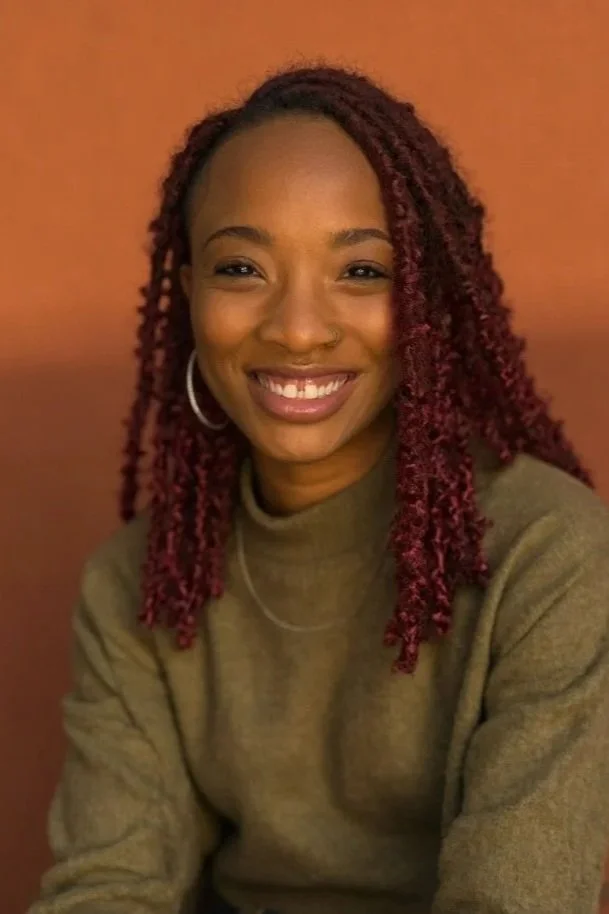
Built by someone who knows what’s at stake.
ABOUT THE FOUNDER
Destiny “Tru” Cyrus is a Licensed Physical Therapist Assistant, competitive dance educator, and the founder of Rhythm & Bloom Performing Arts Equity. She grew up in Chicago — domestic violence in the home, gangs in the neighborhood, every structural condition that produces a statistic.
Dance changed her trajectory — not because it kept her busy, but because it gave her an identity, an outlet, a thing she owned completely. She spent her career watching that same transformation happen in the students she taught — and asking one question: How do I make this impact outlast me?
R&B is the answer. Not a program that exists while Tru exists. A structure — a board, a mentorship model, a pipeline, a community — that turns toward the light because that is what it was built to do.
MBA Candidate, WGU
Licensed PTA
Competitive Dance Educator
“Season after season, I watch talented, determined, and passionate young athletes walk away or turn away, broken hearted, from the opportunity to build on and live out what lives inside of them, dance. Simply, due to finances.
I created R&B to extend the reach, the impact, and the needed presence the performing arts pours into our youth.
It is structural, it is evidence-based, and it is built to last longer than any one scholar’s season. Every family we invest in is proof that access is not a gift we give. It is a right we restore.”
Our Core Values
-
We do not give. We invest. Every dollar, every mentor hour, every studio placement is a structural investment in a young person and their family line, and we expect a return measured in trajectories changed, not seasons funded. Families are co-investors, never recipients. When you invest in R&B, you are not funding a handout. You are funding a turning point.
-
We are not a dance program. Performing arts is the connective tissue — the shared, intensive, high-stakes activity that bonds a team together and makes everything else possible: mentorship, community, pathways, a future a family could not otherwise reach. Today that vehicle is competitive dance. The art form may grow. The mission never changes. We never confuse the vehicle for the destination.
-
We dismantle financial and racial barriers and hold the standard high on both sides of the relationship. Scholars audition, earn their place, and compete at the top level. Mentors are trained, screened, and held to the same excellence we expect of our scholars. Access and excellence are not in tension. Removing the wall is exactly what lets excellence show up.
-
No single adult, no single program changes a life. We surround each scholar with a family of trained, trusted adults and connect each family to a community of aligned partners. We build the village. We do not carry the weight alone. We are the bridge to access, not the destination. When dance parents thank us for pouring into their kids, our answer is always the same: we did not do this alone, and we were never meant to.
-
Every structural decision R&B makes is anchored in what the research shows actually works: intensity, trained mentors, sustained relationships, and real exposure to a world beyond what a family can currently access on their own. We do not run on good intentions. We run on what produces irreversible outcomes, and we hold ourselves accountable to measuring whether we are producing them.
-
We never announce what we have not secured. We protect our scholars and families from the harm of a promise we cannot keep. Confirmed funding comes first. Commitments come second. Always. This is not caution. It is respect for the families who are counting on us to mean what we say.
How They Work Together
We invest in equity, hold the standard high for youth and mentors alike, build a whole village around every family, ground every decision in evidence, and never promise what we haven’t secured.